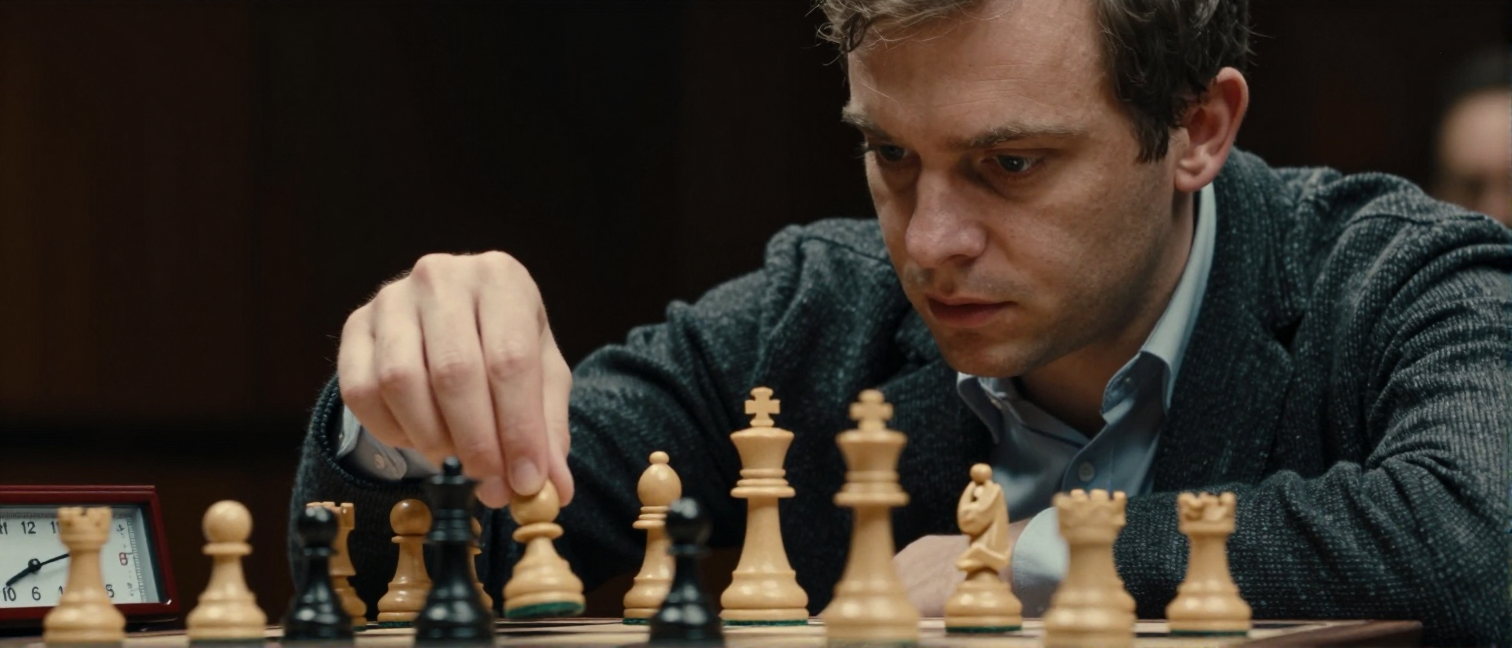
Bobby Fischer's life was a mesmerizing spectacle, full of contradictions and paradoxes. On one hand, he was a chess prodigy who had become a grandmaster at 15, hailed as a hero and a symbol of American intellectual prowess. On the other hand, he was a recluse, prone to erratic behavior and outspoken in his criticism of the chess establishment.
This duality has contributed to Fischer's enduring cultural enigma, making him a figure of fascination for people beyond the chess world. His unapologetic individualism, bordering on arrogance, has inspired many, while his obsessive personality and tendency to push boundaries have raised questions about the cost of genius.
Fischer's impact on the game of chess is undeniable, but his influence on the broader cultural landscape is more subtle and complex. He embodied the spirit of the 1960s and 1970s, an era of rebellion and nonconformity, where intellectual pursuits were seen as a form of social commentary. His defiance of the Soviet chess machine, as exemplified by his legendary match against Boris Spassky, was seen as a symbol of American ingenuity and determination.
As a cultural icon, Fischer's legacy is multifaceted, reflecting both the brilliance and the darkness of his personality. He has inspired countless books, films, and documentaries, each trying to capture the essence of his enigmatic character. His story has become a cautionary tale about the dangers of obsession and the pressures of fame, serving as a reminder that even the most brilliant minds can be fragile and vulnerable.
In the end, Bobby Fischer's enduring cultural enigma is a testament to the power of human complexity and the fascination we have with flawed, larger-than-life characters. His legacy continues to inspire and haunt us, a reminder that genius is often accompanied by a darker, more troubled side, and that the pursuit of excellence can come at a steep price.
Bobby Fischer's Enduring Cultural Enigma
Explore Bobby Fischer